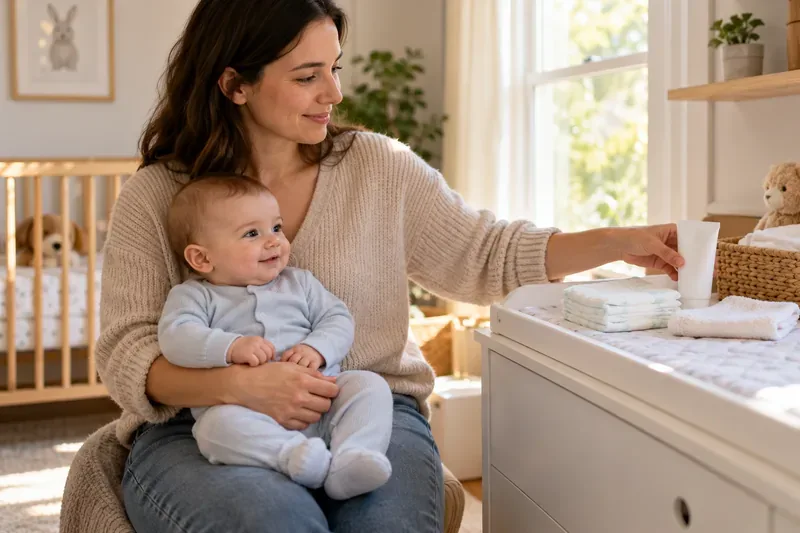
How Two Caregivers Can Follow the Same Baby Sleep Routine

Help two caregivers share a calm, flexible baby sleep routine with a clear handoff, age-aware steps, and the same safe-sleep finish.
In cases of force majeure, using antibiotics for your baby is the best way to treat the disease. Everyone knows there will be unwanted side effects, which are just hard to avoid.
content
In the case of having to use antibiotics for the baby , most mothers think that everything has to be, can not be changed. However, scientists have researched and shown that certain foods help to eliminate side effects of antibiotics.
Most recently, the website healthline.com quoted information from experts saying that using one of the following foods can help protect the microflora in the intestine after taking antibiotics, improving health gut health.
As a recommended food in the weaning diet of babies 9 months of age and older, yogurt is known for its beneficial effects on probiotic bacteria. If taken after taking antibiotics, some other beneficial bacteria such as lactobacillus in this food help restore intestinal microflora.

Yogurt contains many beneficial bacteria for the gut after taking antibiotics
Similar to yogurt, garlic helps probiotic bacteria thrive in the digestive system. According to experts, for older children, eating this spice from 6 to 10 shrimps will provide enough nutrients to help protect the microflora in the intestine.
Mashed nuts significantly increase the healthy gut bacteria while helping to prevent common viral infections like colds and the flu. Even after the almonds are digested in the intestinal tract, the body's ability to resist the virus is still strengthened.
Cocoa is a food that can be consumed after taking antibiotics. Cocoa also contains polyphenol antioxidants that have the effect of improving intestinal microflora. Many studies show that the polyphenols in cocoa increase the beneficial bacteria lactobacillus and bifidobacteria in the intestine, reducing some unhealthy bacteria.
Also fiber-rich foods like whole grains, seeds, lentils, peas, bananas, and broccoli should be eaten after taking antibiotics. High-fiber foods restore healthy gut bacteria following an antibiotic course, while reducing the growth of harmful bacteria.
Some foods to avoid when taking antibiotics are acidic foods, alcohol, overripe fruits ...
Help two caregivers share a calm, flexible baby sleep routine with a clear handoff, age-aware steps, and the same safe-sleep finish.
Face or ear rubbing can accompany tiredness, but it is not a diagnosis. Learn common explanations, what to watch for, and when to call the pediatrician.
Babies may scoot backward as they learn to coordinate their arms and legs. Learn what is common, how to encourage safe floor play, and when to ask a pediatrician.
Recurring diaper rash may be linked to ongoing irritation, diarrhea, yeast, product sensitivity, or another skin condition. Learn what to track and when to call the pediatrician.
Learn a safe, practical way to hand-wash bottles and feeding equipment while traveling, including rinsing, air-drying, sanitizing, and safe-water tips.
Learn how to track a baby’s wet diapers, feeds, urine changes, and warning signs—and when a drop in output needs prompt medical advice.
Keep your baby comfortable in a simple Halloween costume, take a few quick photos, and follow practical guidance for warmth, car seats, and safe sleep.
Discover the key signs of newborn fast breathing, learn how to identify pneumonia risks, and explore effective solutions for infant respiratory health. Stay informed about your baby
Discover the best cooking oils for 6-month-old babies to ensure proper nutrition and development. Learn why fats are essential, how to use them, and which oils are most beneficial for your baby’s health.
Discover essential baby development milestones from 3 to 6 months old. Learn how to support your baby’s growth with expert tips and activities for better bonding and development.