How to Find a Hidden Water Leak Under a Sink: A Simple, Safe Check
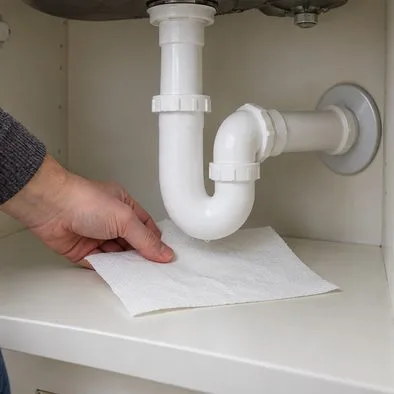
Use dry paper towels and four focused checks to find a hidden sink leak, tell supply leaks from drain leaks, and know when to call a plumber.
Knowing how to care for an orchid can sometimes seem difficult. Orchids may look very delicate, but in reality, they are not that difficult to grow or keep alive. According to the World Checklist of Selected Plant Families there are approximately 26,570 accepted orchid species.

Image credit: RF Company/Alamy Stock Photo
Even though there are so many different types of orchids, like all plants, they require these three things to survive:
Growing medium
Sunlight
Water
In addition to the basic needs, there are a few more things you might need to know to help your orchid thrive.
On a basic level, most orchids need the following to survive:
Keep in mind, some of the more delicate species of orchids require more light, less water, lots of humidity, and so on. If you’re growing orchids for the first time, you may want to start with a common species that doesn’t require special conditions.
You can use any plant food or fertilizer to care for your orchid, but you should only use one fourth of the amount directed on the package.
You can provide extra humidity to the area around the orchid by either spritzing only the leaves with a mist of water a few times or by setting the plant on top of a dish filled with moist or wet gravel.
Do not nest the orchid down in the gravel as it might soak up the moisture into the growing medium and waterlog the root structure. Also, do not mist the flowers. This may cause them to mold.
The growing medium is subject to your preferences. Typically, most growers will use either moss or ground-up tree bark. And special orchid potting mixes can be purchased.
Do not use regular potting soil for your orchid. It will suffocate the roots and kill the plant.
If you want to be creative, you can mix mediums or you could even grow an orchid in a wad of wet paper towel. (With the paper towel method, the plant would need watered and fed fertilizer constantly. It is not recommended.)
In nature, orchids like partially shaded areas. When growing an orchid indoors, it is recommended that it receive six hours of indirect sunlight a day to stay healthy.
If the plant starts to look like its drying out and getting too much sun, try filtering the sun with a sheer curtain or moving the orchid further away from the window.
If the plant starts to look droopy and over-watered but the growing medium isn’t wet or soggy, try moving the plant to a room with better sun exposure or rotating the plant from indoors to outdoors.
Watering an orchid is as easy as watering any other plant. You can tell an orchid is getting too much water if the leaves start turning yellow. There is no recommended schedule for watering an orchid. If you take a regimented approach, you will likely end up with a dead plant. The water requirements for orchids can vary based on the environment the plant is living in, its size, and the time of year.
When watering the orchid, make sure to water the soil and not the plant directly. If water goes down between the leaves, it can cause crown rot. When crown rot occurs, the leaves fall off and eventually the whole plant will die.
Instead of creating a water schedule, try checking the orchid to evaluate whether it needs water. Stick your finger in the growing medium or soil, and if it feels dry, water the plant. If the soil feels wet, then wait and check again in a day or two. Always water the plant just before it goes completely dry.
Orchids only produce flowers once a year and the flowers bloom continuously for about a month. Some varieties bloom in winter and some in spring, but the bloom period for most orchids is around August or September.
Towards the end of the bloom period you can trick the plant into blooming again by pruning the flower portion of the plant away at the node just below the first flower.
If you take note of the light and water conditions and duplicate the environment, you can actually keep trimming the node to keep the plant blooming all year.
If your orchid drops all of its flowers, do not be alarmed. It will bloom again in one year. If it does not bloom again, it means the plant has gone dormant. Likely, the roots are stifled and the orchid needs new growing medium. Dead roots and stems need pruned before you pot the plant. This process usually needs to be done every two or three years. The orchid should send out a new stem and flower again during blooming season.
You can speed up the new growth by feeding the plant a quarter strength of fertilizer with every watering. Once the orchid is back to normal, you can cut back to regular feedings.
Use dry paper towels and four focused checks to find a hidden sink leak, tell supply leaks from drain leaks, and know when to call a plumber.
Bathroom mirror streaks often come from residue, dirty cloths, excess cleaner, or dried water. Find the likely cause and a gentle way to fix it.
Reduce overnight window condensation by controlling indoor moisture, improving airflow, monitoring humidity, and knowing when the window itself needs attention.
Reduce cooking and kitchen odors without fragrance by improving ventilation, cleaning grease and food residue, managing waste, and finding persistent odor sources.
Learn why ceiling fans wobble, which warning signs mean turn it off, and what you can safely check before calling an electrician.
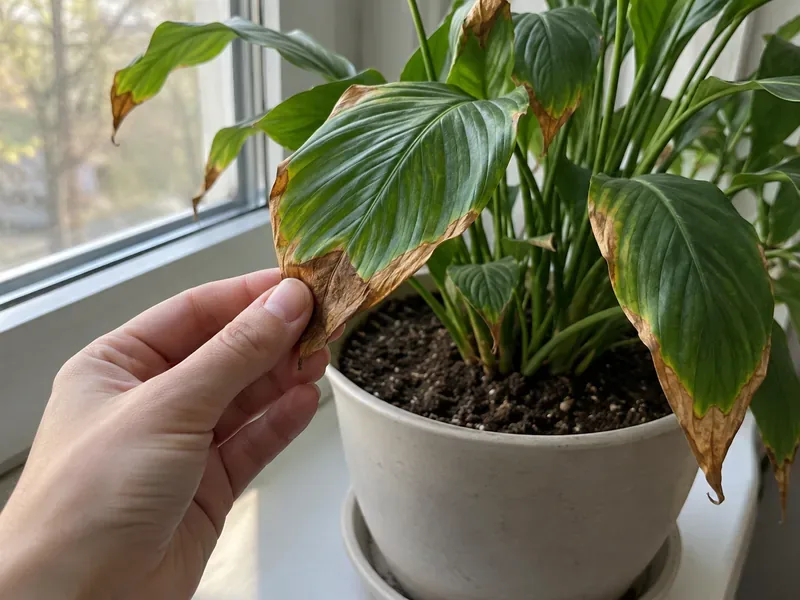
Learn why indoor plant leaves turn brown at the edges, how to read clues about watering, humidity, salts, and light, and when to seek expert help.
Keep stored clothes dry without mothballs: measure closet humidity, reduce moisture at the source, dry garments fully, choose suitable storage, and inspect for mold.
Musty towels often point to lingering moisture, washer residue, or slow drying. Learn how a hypothetical laundry example helps narrow the cause and what to change first.
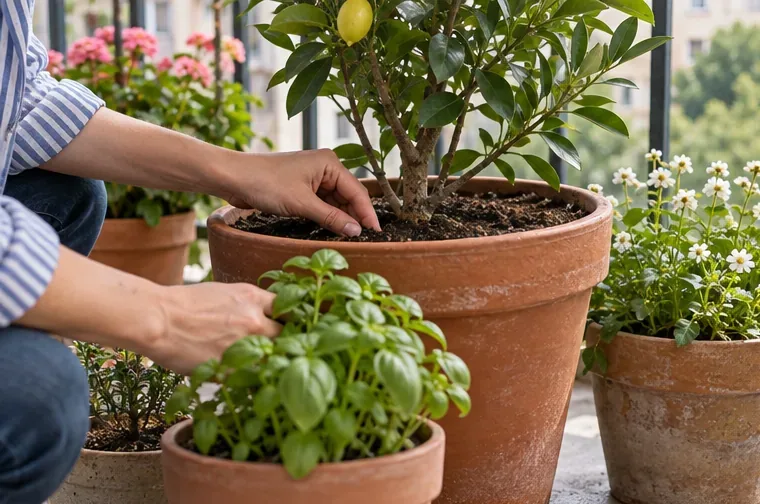
Keep balcony plants hydrated during a short trip with a plan based on pot size, plant needs, sun, and wind. Compare wicks, self-watering pots, and plant sitters.
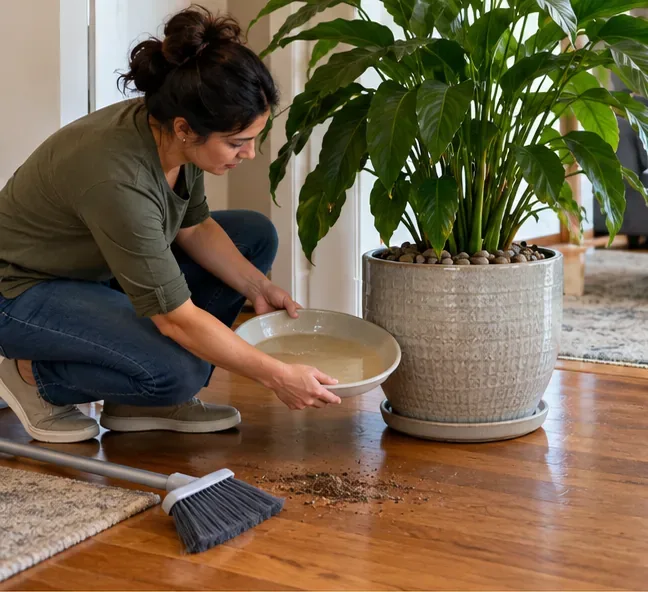
Move a heavy houseplant safely without scratching hardwood, denting flooring, spilling soil, or straining your back. Use a protected path, a dolly, and a controlled team lift.