How to Find a Hidden Water Leak Under a Sink: A Simple, Safe Check
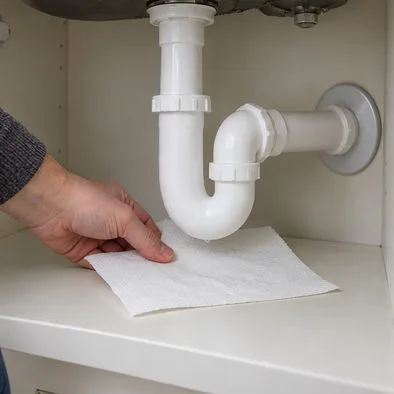
Use dry paper towels and four focused checks to find a hidden sink leak, tell supply leaks from drain leaks, and know when to call a plumber.
Caring for Succulents can be easy. These plants are native to drought prone areas. As a result, they store water to last them through long periods with little or no water. This feature makes them ideal as indoor-home plants or outdoor as part of a low maintenance garden residing in warmer climates.

Source: pexels.com
If you choose to grow a succulent indoors, your plant will need the following:

Photo credit: Kelly Dobbs Henthorne
Succulents make great houseplants, but they can also add an exotic edge to your outdoor garden.
When planting an outdoor garden, choose your succulents and accompanying plants carefully. Succulents prefer lots of sunshine, dry soil, and little watering. If this doesn’t fit the surrounding flora, consider using your succulents as houseplants or moving them to a separate location.
Regardless of what kind of succulent you choose, make sure you water it properly and it will be an interesting addition to your home or garden.
If you already have existing succulents, you can propagate them yourself. Propagation is typically done with a leaf cutting or an offshoot.
Propagating succulents with leaf cuttings indoors
To grow a new succulent from a leaf cutting, follow these steps:
Remove a leaf from the plant below the main flowering element.Make sure the leaf comes away clean and contains all parts of the leaf.
Put leaf in dry area and allow to dry.This process generally takes a few days.
When leaf becomes calloused, it is time to plant.When calloused, the leaf will appear splotchy, discolored, or brittle.
Place well-draining or succulent soil in a drainable pot.
Set leaf on top of soil.
Leave for several weeks.
Water your succulent very little, about once a week.Be careful to avoid overwatering.
When roots appear, remove the parent leaf.Typically, this leaf will wither. Be careful not to damage the new roots in this process.
Your plant will take root and you will have a new succulent.Happy gardening!
Propagating succulents with offshoots
If your succulent develops an offshoot at the base of the plant, you can gently remove it to grow a separate plant. To do so, simply allow the offshoot to develop roots for a period of 2-3 weeks. Once you see roots, remove with snips or simply twist to remove. Then follow steps 2-7 above to propagate your new succulent.
Use dry paper towels and four focused checks to find a hidden sink leak, tell supply leaks from drain leaks, and know when to call a plumber.
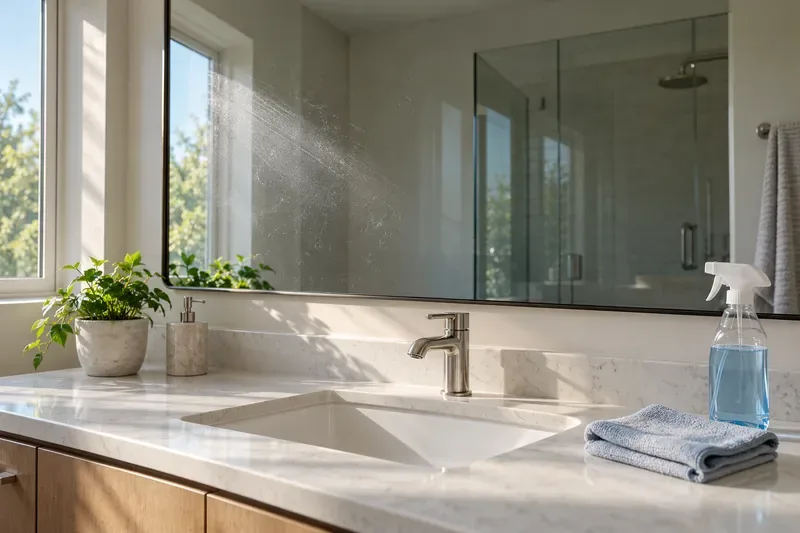
Bathroom mirror streaks often come from residue, dirty cloths, excess cleaner, or dried water. Find the likely cause and a gentle way to fix it.
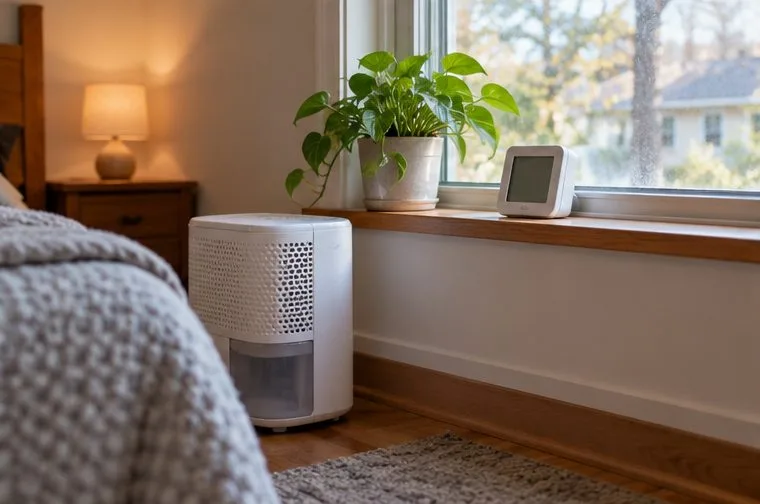
Reduce overnight window condensation by controlling indoor moisture, improving airflow, monitoring humidity, and knowing when the window itself needs attention.
Reduce cooking and kitchen odors without fragrance by improving ventilation, cleaning grease and food residue, managing waste, and finding persistent odor sources.
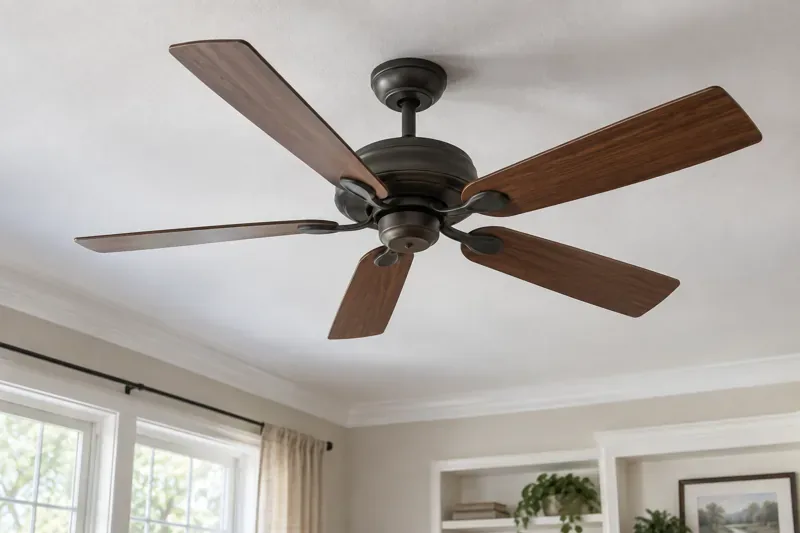
Learn why ceiling fans wobble, which warning signs mean turn it off, and what you can safely check before calling an electrician.
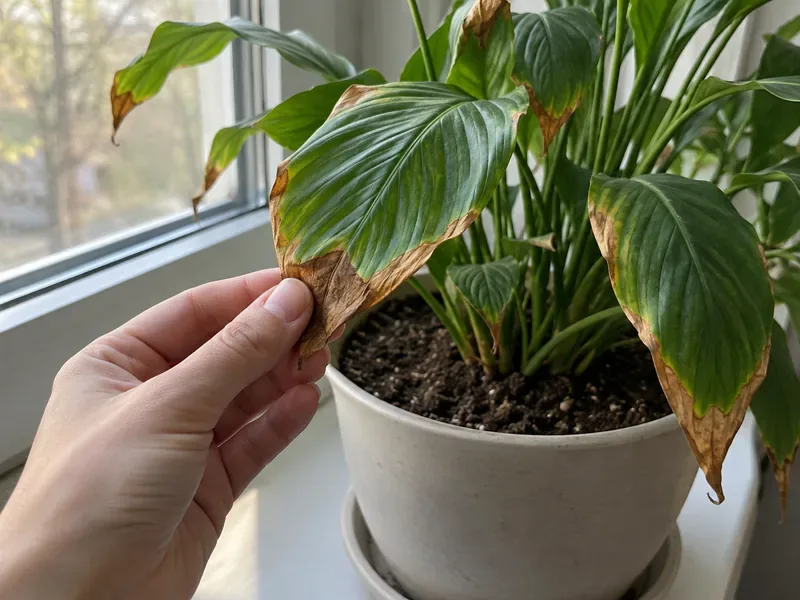
Learn why indoor plant leaves turn brown at the edges, how to read clues about watering, humidity, salts, and light, and when to seek expert help.
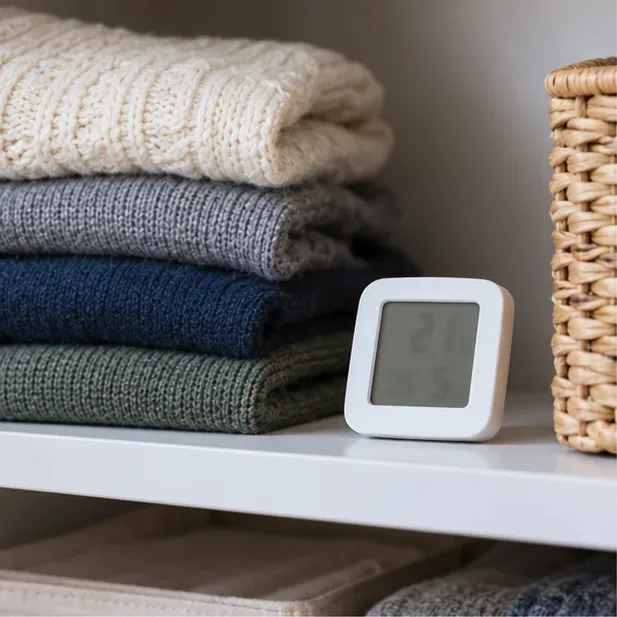
Keep stored clothes dry without mothballs: measure closet humidity, reduce moisture at the source, dry garments fully, choose suitable storage, and inspect for mold.
Musty towels often point to lingering moisture, washer residue, or slow drying. Learn how a hypothetical laundry example helps narrow the cause and what to change first.
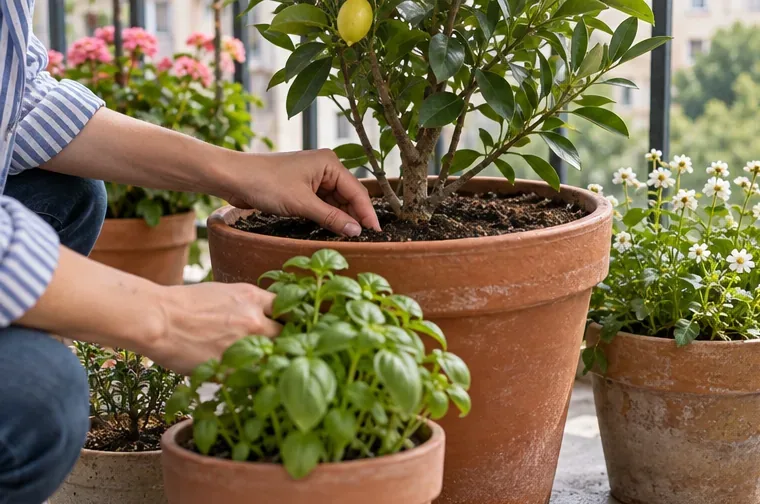
Keep balcony plants hydrated during a short trip with a plan based on pot size, plant needs, sun, and wind. Compare wicks, self-watering pots, and plant sitters.
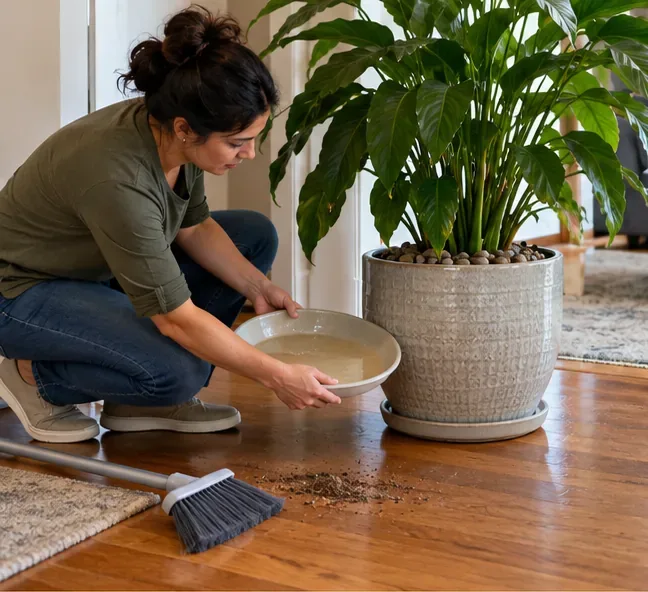
Move a heavy houseplant safely without scratching hardwood, denting flooring, spilling soil, or straining your back. Use a protected path, a dolly, and a controlled team lift.