At this stage, the baby will begin to appear negative feelings and sometimes appear intentionally opposed to parents. Besides, the baby likes to maintain his habits and wants to be close to more people than his father and mother.
17-month-old baby has negative emotions?
You may be surprised to find out that your 17-month-old baby already knows how to like or dislike something. At this age, babies are clear about what they want and don't want.
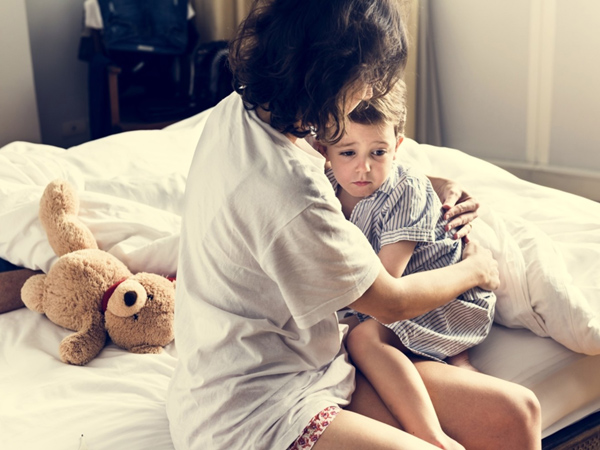
Some babies may even surprise parents by an act they have never done before, especially when they are upset, that is to hit parents, especially mothers. This may sound out of the ordinary, but it is actually an expression of belief. A 17-month-old baby knows you are a safe person to let her show off how upset and upset she is.
What to do if a 17 month old baby shows negative emotions?
You may find that there are times when she is deliberately opposed to you. For example, when you say, "Stay away from that vase," the baby looks at you, at the same time reaches out to touch the vase, and can grab the bouquet and pull it out of the vase. You know your baby has been told, so instead of seeing your baby disobeying you as a big deal, experts say you should ignore it whenever possible. Once she understands that a baby's actions can make you angry, he will continue to do it the next time. The fact is that parents should try to avoid confronting their children on small matters.

If your baby is stubborn or nagging than usual, you should sympathize with the baby because he is going through the psychological development of his or her age.
Maintain habits and build social relationships with others
The first time you forget to read stories to your baby before bed, don't be surprised when your baby reminds you. At this stage, your baby's habits have developed. A 17-month-old baby can remember each step of a given schedule. If your baby ends the day with a routine like bathing, drying his hair, brushing his teeth, taking out his story, and then lying in bed reading a book together, if you skip one or more of these steps, he will respond immediately.
Even though they are young, 17-month-olds can be tough on what happens next. For example, when you put your baby in bed at night, he or she may insist that you get your baby's favorite toy and familiar blanket. Your baby may want to drink milk from a certain glass. Although these requirements can be frustrating, they all serve only one important purpose: Habits make the world around your baby predictable, and your baby is comfortable with it.
When they are 17 months old, most babies are no longer afraid of strangers. At the grocery store, she can greet everyone you meet, something she has never done before. When your baby joins music or dance classes, he suddenly wants to be around the instructor. Parents are still important, but babies are beginning to develop social relationships with others. Children can become close to relatives and neighbors through certain activities. For example, when you send him home to visit his grandparents, he or she can drag him to the garden to "study" the roses he showed him during the previous visit.