To give your baby the best start in life, you should be in full health before trying to conceive. This not only increases your chances of conceiving, but also helps you have a healthy pregnancy.
Mother should prepare for a healthy body before becoming pregnant?
You need to be in good health to increase your chances of becoming pregnant. Try to keep a healthy body mass index (BMI) between 19 and 25.
If your BMI is over 25, especially 30 or older, you should lose weight before trying to get pregnant to help eliminate the risks of health problems for you and your baby. This helps to increase your fertility.
Adopting a balanced and consistent diet throughout this time will also give you a great start to pregnancy.
If you are underweight, consult your doctor on how to increase your BMI. When your body weight is too low, your menstrual cycle can be irregular, leading to more difficult conception. To help your menstrual cycle return to a normal state, you need to adjust your weight within the permissible limit, namely BMI from 19 to 25.
If you are at a moderate weight, continue to exercise as this will give you a lot of benefits. The slimmer you are, the easier the pregnancy and childbirth will be. However, you should not set a strict exercise regime if your BMI is within the ideal level.
Stop smoking, drinking, and taking drugs before you want to have a baby
Smoking and drinking alcohol can cause serious health problems for your baby if you become pregnant. They also increase the risk of miscarriage and inevitably affect pregnant women and babies.
When pregnant, most women cannot realize this right away. So quit using substances that are harmful to your health now. This also improves the baby's health in the early months of pregnancy.
Quitting smoking can be quite difficult, but there are now many ways to make it easier to quit. You can see ways to quit smoking here!
When it comes to alcohol, it's best to stay away from it altogether. There is no way to know how much alcohol is safe and moderate during pregnancy. Your baby will have long-term health problems.
Tell your doctor if you are taking drugs. They will introduce you to people who can support you and prepare your baby for a good start.
Consult your doctor before preparing for pregnancy
If you have conditions such as epilepsy, diabetes or asthma, you should see your doctor for better advice about the condition and its effect on your ability to become pregnant.
If you are taking certain medications, you will need to change your treatment because some medicines may not be safe to take while you are pregnant or for several weeks before becoming pregnant. However, you should consult your doctor before stopping any medication.
Your body needs time to adjust to itself if you are in the process of changing your treatment. So see your doctor and ask for advice 3 months before you want to have a baby. Some medicines are not safe during pregnancy and can be counter-productive, for example ibuprofen . Ask your pharmacist if you are unsure what to buy.
What should you look for before your prenatal visit?
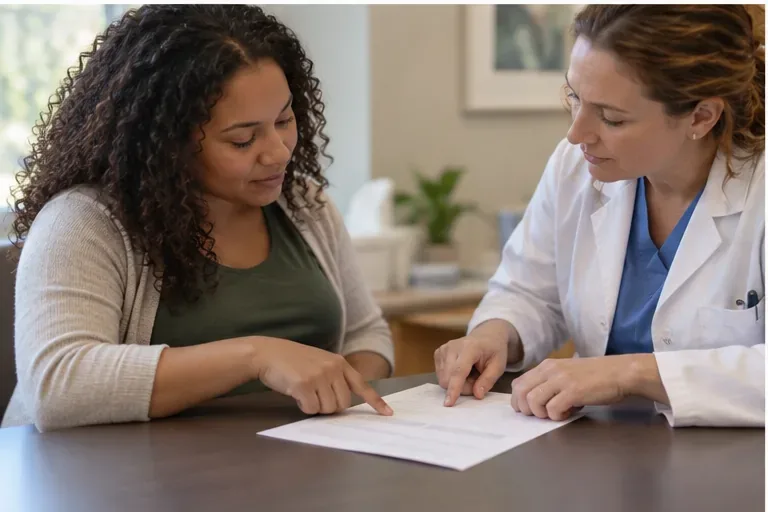
If you decide to go to a prenatal visit, your doctor or nurse may ask you the following questions, and be prepared to answer:
Are you working with hazardous substances or not;
Do you have a lot of free time;
How is your health and lifestyle;
How often do you exercise;
How is your mood;
Are your eating habits reasonable?
Your doctor will examine and check your current health status to find out the risks:
Diabetes;
Asthma;
High blood pressure;
Epileptic;
Thyroid problems;
Heart problems;
Mental problems.
The above diseases will significantly affect the pregnancy as well as the fetus. Also, before getting pregnant, you need to learn about the inherited diseases in your family, especially diseases like sickle cell anemia , anemia or cystic fibrosis. In addition, you should also tell your doctor about the contraceptive methods you have been or are using. In most cases, contraception doesn't affect the amount of time you have to wait for the pregnancy to return. However, if you did get the shot, it will take a year for you to get a normal pregnancy.
Your doctor may also ask if you have had a miscarriage or have had an ectopic pregnancy. Do not hesitate to answer these questions as it will help your doctor diagnose your potential pregnancy more accurately, or offer methods to help you get pregnant faster. So tell the truth to get the best care and counseling, to help you prepare for a healthy body before pregnancy.
In the next section, aFamilyToday Health will advise you on which tests, vaccines and supplements you should take to increase your chances of conceiving. Please read it here !