Main content:
Development of 30 weeks fetus
A change in the mother's body at 30 weeks of pregnancy
Doctor's advice about 30 week pregnancy
Maternal and fetal health at 30 weeks
Development of 30 weeks fetus
How does a 30-week-old fetus develop?
The baby is now the size of a small watermelon, weighs about 1.3kg and is about 40cm long from head to heel. The fetus at 30 weeks will continue to gain weight. Subcutaneous fat has the function of keeping the baby warm after birth and will develop and make the baby's body fuller.
To be able to breathe, the baby will mimic breathing by moving the diaphragm. The baby can even hiccup, you can feel this because it will create rhythmic convulsions in your womb.
A change in the mother's body at 30 weeks of pregnancy
30 weeks pregnant, how does mother's body change?
By the 30th week of pregnancy, mother's hair becomes thicker, stops elongating and falls out less. However, a few months after giving birth, the mother's hair may become thinner and fall out faster.
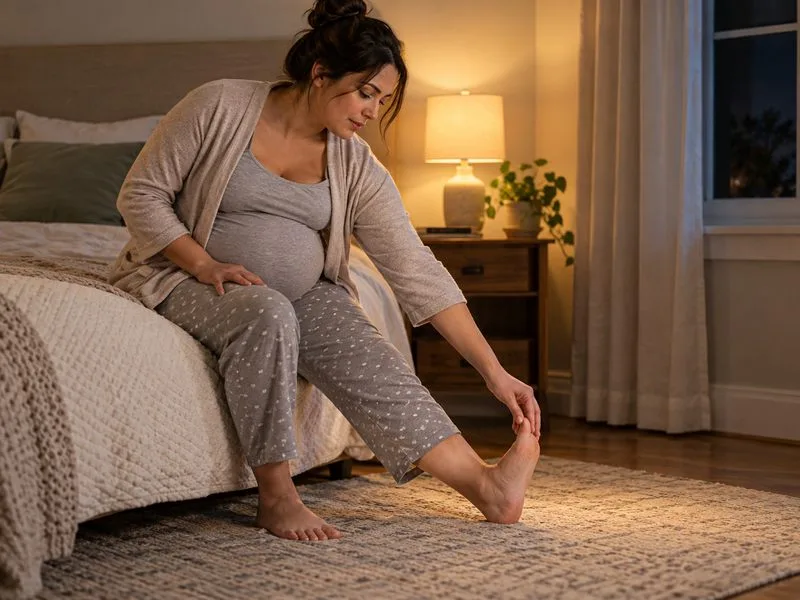
Also, you will feel more tired during the 30th week of pregnancy, especially if you often lose sleep. Mom will also fumble more than usual because the center of her body changes. There are two reasons why a mother's body focus changes. Firstly, the mother is gaining weight and her weight is concentrated mostly in her abdomen. Second, the pregnancy hormone changes will cause ligaments to relax and loosen the knee joint, making it harder for the mother's body to balance. Stretching ligaments also makes the mother's legs bigger, so soon buy yourself new shoes to move more flexibly and easily.
What are the things you need to pay attention to?
One of the most common symptoms in pregnant women is a rapid change in mood. Hormone changes by 30 weeks and the unpleasant complications of pregnancy can cause mood swings. In addition, thoughts about the birth process as well as worries about being a good mother or not will make her feel more insecure. Do not worry too much because this is a very normal phenomenon of pregnancy. But if these emotions constantly arise, see your doctor for prompt advice and help.
Doctor's advice about 30 week pregnancy
What should mom discuss with the doctor?
You may find it hard to breathe during this time. The cause of this phenomenon is that the mother's uterus is expanding and squeezing all other internal organs, especially the lungs, so that it can create enough space for the baby to develop. 30-week-old pregnant mother should talk to the doctor soon if the mother's dyspnea occurs frequently.
What tests do you need to know?
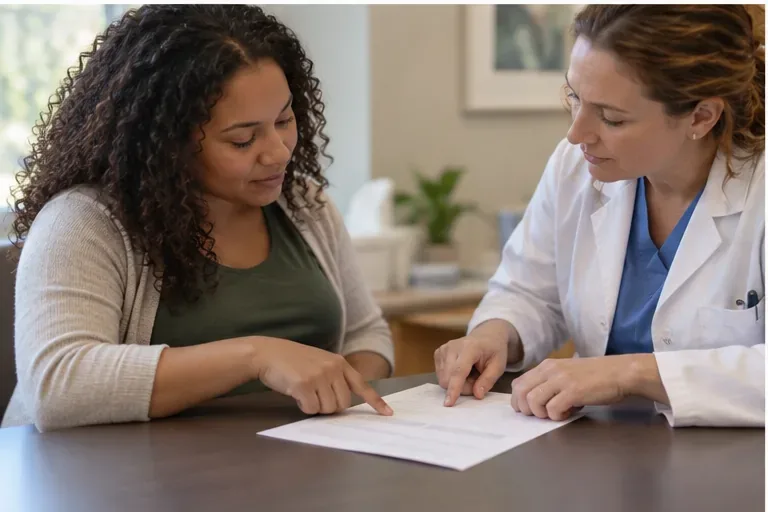
This may be the last time mom has done a monthly check-up with a doctor. Starting next month, you will see the doctor more often, every two weeks and then once a week until the baby is born. During this checkup, the doctor will check the mother's blood pressure and weight and ask her about any signs or symptoms she is having. The doctor may also ask moms to describe the baby's movements and hours of activity: when the baby moves and lies still. As with previous exams, at 30 weeks of pregnancy, the doctor will monitor the fetal development by measuring the size of the mother 's uterus .
Maternal and fetal health at 30 weeks
What do you need to know to ensure safety during pregnancy?
The feeling of shortness of breath or shortness of breath can make the mother uncomfortable, but this does not affect the 30-week baby in the womb. The baby still receives the necessary amount of oxygen through the placenta.
You should not use any sleeping pills without consulting your doctor. Currently, there are not any sleeping pills that are completely safe for pregnant women.