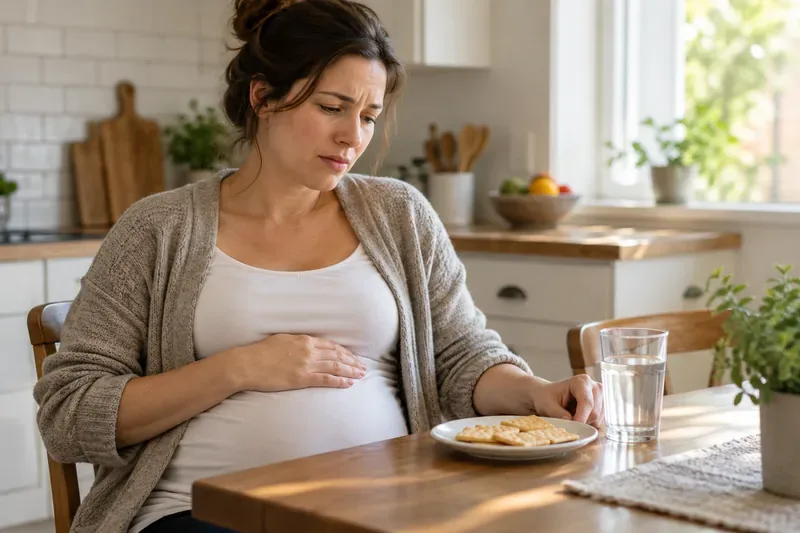
Pregnant mother craving spaghetti is a sign that indicates what?

With eye-catching yellow color, pasta is considered a favorite food of many pregnant mothers. The general question of many people is that this food is safe for pregnant women?

Depending on the location of each person as well as the type of noodles, the amount used and the way of processing, spaghetti can bring different results to the health of pregnant mothers. The following shares will help you know specifically the nutritional level and influence of pasta on the health of mother and fetus.

Should moms eat spaghetti during pregnancy?

Pregnant mothers can still eat pasta during pregnancy, but you should only eat in a moderate amount and prepare yourself to ensure safety and hygiene. Pregnant mothers eat too much noodles can lead to many problems with digestion and general health.


What kind of pasta is good for pregnant mothers?

Pasta is a food that helps you feel both delicious and full. Here are some suggestions for spaghetti styles:

Traditional pasta

This pasta is made with refined flour. The purification process involves removing the outer shell and the inner seed layer, leaving only the starch endosperm layer. Rejected nutrient-rich outer shells contain large amounts of vitamins, minerals, phytonutrients and fiber, leaving the final product with very few nutrients. Therefore, manufacturers often add some other nutrients like B vitamins and iron.

Noodles are made from 100% whole grains

This noodle contains all three layers of nutrition - the bran, germ and endosperm of the wheat seed. It is full of fiber and micronutrients. This type of noodle is much more nutritious than traditional pasta and has various health benefits such as helping to lower blood pressure and reducing the risk of several chronic diseases like heart disease and type 2 diabetes.

Currently, there are many types of whole grains on the market . So how to choose the right 100% whole grain product? Check the list of ingredients on the package and choose only 100% whole grain or 100% whole wheat. Brown rice and oats are two typical whole grains.

The reason why pregnant mothers want to eat

Pregnancy can cause you to develop some completely different eating habits like eating pasta. Some possible reasons for this phenomenon are:

Hormonal changes in the body;

Nutritional requirements. Pasta, depending on the type and recipe, is often rich in carbohydrates, fiber and magnesium. The pregnant mom's appetite for some foods can be a sign that pregnant women lack one or some of these nutrients;

Serotonin. Certain types of pasta contain high amounts of sugar, which promotes the production of serotonin. Serotonin is a neurotransmitter that plays an important role in creating feelings of happiness. That is why pregnant women may want to use foods that increase serotonin production.

Eating too much of any kind of food can also cause negative effects on the health of mother and fetus. With pasta, too, you need to eat a sufficient amount to protect your health.


 

Leave a Comment

Why Food Aversions Can Linger After Pregnancy Nausea Improves

Why Food Aversions Can Linger After Pregnancy Nausea Improves

Pregnancy food aversions may outlast nausea as smell, taste, and learned associations shift on different timelines. Try practical steps and learn when to call your clinician.

Why Can Pregnancy Nasal Congestion Continue for Months?

Why Can Pregnancy Nasal Congestion Continue for Months?

Pregnancy-related nasal swelling can last for weeks or months. Learn why it happens, how it differs from allergies or infection, what may help, and when to call your clinician.

Frequent Urination During Pregnancy: Stay Hydrated Without Constant Bathroom Trips

Frequent Urination During Pregnancy: Stay Hydrated Without Constant Bathroom Trips

Learn practical ways to manage frequent urination during pregnancy while staying hydrated, plus symptoms that need prompt medical attention.

How to Plan Work Breaks for Afternoon Pregnancy Fatigue

How to Plan Work Breaks for Afternoon Pregnancy Fatigue

Plan practical work breaks around afternoon pregnancy fatigue. Learn how to spot your pattern, adjust tasks, ask for support, and know when to call your care team.

Pregnant During Flu Season? Questions to Ask at Your Prenatal Visit

Pregnant During Flu Season? Questions to Ask at Your Prenatal Visit

A practical prenatal visit checklist for the 2026–27 flu season: ask about the flu shot, symptom plans, treatment, exposure, and urgent warning signs.

Vitamin B6: A new solution to reduce morning sickness symptoms

Vitamin B6: A new solution to reduce morning sickness symptoms

Discover how Vitamin B6 can effectively reduce morning sickness symptoms during pregnancy. Learn about dosage, safety, and natural remedies for a healthier pregnancy journey.

What should I eat during the 5th month of pregnancy to ensure nutrition for the baby?

What should I eat during the 5th month of pregnancy to ensure nutrition for the baby?

Discover the best foods to eat during the 5th month of pregnancy to ensure proper nutrition for your baby. Learn about essential nutrients, foods to avoid, and tips for a healthy pregnancy diet.

How does hypothyroidism affect fertility?

How does hypothyroidism affect fertility?

Discover how hypothyroidism affects fertility and learn about the latest solutions to manage thyroid health for better reproductive outcomes. Explore key insights and expert advice.

Getting pregnant is easier thanks to vitamin D supplementation

Getting pregnant is easier thanks to vitamin D supplementation

Discover how vitamin D supplementation can enhance fertility and make getting pregnant easier. Learn about the benefits of vitamin D for both men and women in improving reproductive health.

Learn about the uterus and changes during pregnancy

Learn about the uterus and changes during pregnancy

Discover the key changes the uterus undergoes during pregnancy, including size, structure, and function. Learn about fetal development, hormonal impacts, and common concerns.