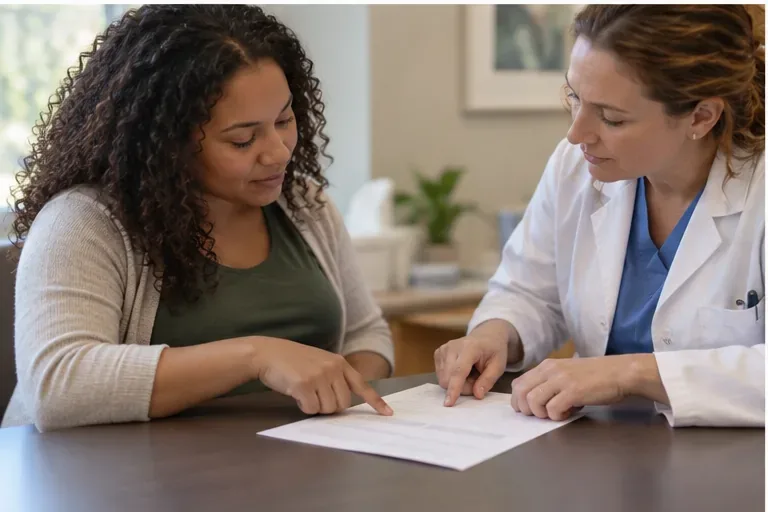
During a high-risk pregnancy, what care must be taken to protect the fetus? Let's join aFamilyToday Health to find out this issue.
During pregnancy, you have to be busy worrying about many things, from how to eat and sleep properly. If pregnancy is at high risk, there is even more anxiety. Here, aFamilyToday Health will help you to deal with these worries and troubles.
Definition of a high-risk pregnancy
High-risk pregnancy means that during pregnancy, special care is required to ensure both the mother and the baby are healthy. The term "high risk" can be used to refer to a wide variety of health problems that can affect pregnancy, such as gestational diabetes , obesity, pre-eclampsia or even HIV.
How to have a healthy pregnancy?
What you need to do is very simple:
Follow your doctor's instructions closely;
Full pregnancy check-up;
Do all the tests your doctor recommends;
Take the full range of prescription medications;
Always ask your doctor every time you have any questions;
Watch for signs or symptoms to see your doctor promptly, before things get worse;
Arrange work to rest properly. Talk to your doctor (and with your boss) about how to align work responsibilities and antenatal care schedules.
How to reduce the pressure?
Pregnancy will cause your mood to fluctuate. The best way to deal with stress and discomfort is to focus your energies on things that you have good control over, and what is difficult to ignore.
Here are some effective ways to cope with stress and keep your body and mind steady:
Rested. Plan a time where you can take a nap, meditate, or find something to relax. If you work in an office, raise your legs while sitting;
Reduce workload. Ask your husband or other family members to share some chores. If you have a lot of money, consider hiring a maid so you don't need to worry anymore.
Do exercise. Unless your doctor advises you not, regular exercise is very important during pregnancy. Walking and swimming are two great options. Consult with your doctor to find out which types of exercise are safe and suitable for you;
Join a class to keep fit. Stress relief exercises based on psychological effects and prenatal yoga are good options for dealing with stress;
Walking outside. The cool air and gentle sunlight will make you feel temperate and comfortable. Spending time outside will also help you sleep better.
How to energize the body
During some moments of pregnancy you may feel like you have no energy. Take a break as most of the energy in your body is now being transferred to your baby. During such times, do the following simple ways to conserve energy:
Let your body rest at the right time.
Drink enough 2-3 liters / day.
Eat a variety of healthy foods like eggs, barley, and apples. If you are anemic or have an iron deficiency, you must take an iron supplement.
How to control emotions in a positive direction?
Don't force yourself to be happy or excited all the time. Whenever you have any health problems, it will help you to have a better understanding of your condition. If you feel anxious will motivate you to focus on doing things that keep your body healthy, then go ahead, but keep in moderation because stress and depression will make things worse.
Consider going for a psychiatrist when your mood is low. Your doctor can help you pinpoint the cause and lift your spirits. Also, talking to other people who have experienced it can help you feel empathy. This way, you will not feel lonely and receive more attention and help.
How do people understand emotions?
Here are a few suggestions to help you share with your loved one about high-risk pregnancy so that they can support you and sympathize with you.
Always tell people about your worries and experiences;
Share articles, titles or other sources of information about your current situation;
When you go to the doctor, go with your husband or relative.
Let's learn more with aFamilyToday Health in part 2!