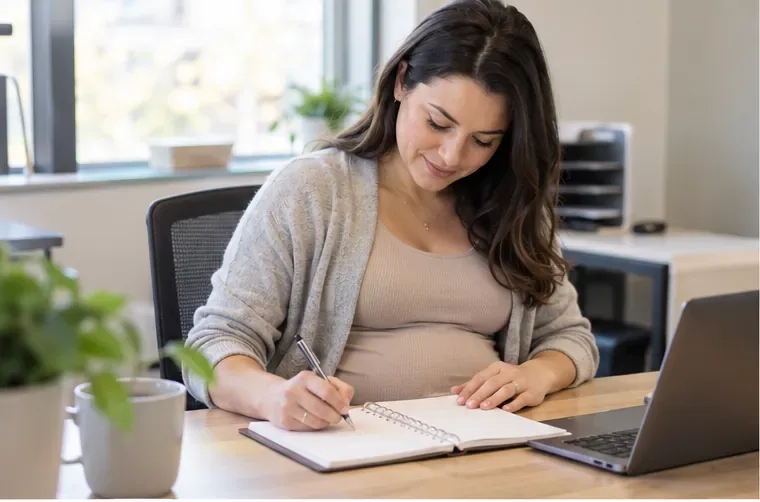
Headache during pregnancy is a very common condition. So what is the cause of this symptom? What types of pain reliever should pregnant women use to limit headaches?
Many women have a headache during pregnancy, sometimes so severe that they cannot sleep and show no signs of remission. This could lead to serious, alarming symptoms. Let aFamilyToday Health follow up with the following article to determine, whether the headache during pregnancy is dangerous and what is the cause?
Is pregnancy headache common?
Tension headaches appear very common in pregnant women, especially in the first 3 months. Pain that feels like a squeeze or a constant dull pain on the sides of the head and the back of the neck. If you often experience tension headaches in the past, being pregnant can make it worse.
Experts still do not know exactly why mothers tend to have more frequent headaches during pregnancy. Most likely due to hormone fluctuations in the body. The spike in blood volume can also contribute to this symptom, especially in the early stages of pregnancy.
Cause you headaches during pregnancy
The main cause is usually due to hormonal changes in the body. Other causes can be fatigue, stress, physical or mental stress, sinusitis or allergies (often more severe during pregnancy), sudden hyperthermia, or it could be a combination. of all of the above.
Everything you need to know about tension headaches
Many women, even those who have never had a headache before, can get it during pregnancy. Most pains are not serious and not worrying. However, if your pain persists for more than 4 hours or you develop other symptoms such as fever, visual disturbance, sudden weight gain, swelling of the face or arms, immediately see a doctor.
What types of headache medicine can be used?
You can use acetaminophen as directed on the package. However, pregnant women should not take other pain relievers such as aspirin, ibuprofen or migraine headache medicine without their doctor's permission. Consult with your doctor what medications you can take if you have severe migraines.
Can headaches be a sign of a serious illness?
Most unpleasant headaches during pregnancy are harmless, but sometimes this is a sign of a more serious symptom. Contact your doctor if you have a migraine or severe headache if you have taken acetaminophen without showing signs of impairment. At that time, you need to be fully examined to make sure there are no other problems.
During the second or third trimester of pregnancy, headaches can be a sign of pre-eclampsia, a very serious symptom of high blood pressure during pregnancy. Other symptoms of this disease include abnormal protein in the urine, changes in vision and abnormalities in the liver and kidneys.
When do you need to see a doctor?
Contact your doctor immediately if:
Have a severe headache in the 2 or 3 trimester;
Sudden, severe pain, pain that wakes you up, pain that shows no sign of remission, or you feel like it has never been;
Headache accompanied by fever, stiff neck;
Headaches that are getting worse and worse, accompanied by many other symptoms such as blurred vision or visual disturbances, slurred speech, drowsiness, numbness or changes in sensation or perception;
Headache after injury;
Headache right away when reading or looking at the computer screen.
Hopefully, aFamilyToday Health has given you an overview of headaches during pregnancy, especially muscle tension headaches in pregnant women.