The reason why pregnant mothers should not wear high heels

For many women, during pregnancy, what shoes to wear is the most asked question. Comfort and safety are the top factors in pregnancy, so women need to pay close attention to the risks that occur when wearing high heels.

Is it safe to wear high heels during pregnancy? If you are used to wearing high heels regularly before pregnancy, the temporary quitting for nine months is a big challenge for women at this stage. With aFamilyToday Health, learn through the health problems that can be encountered when wearing high heels in the following article.

Cramp

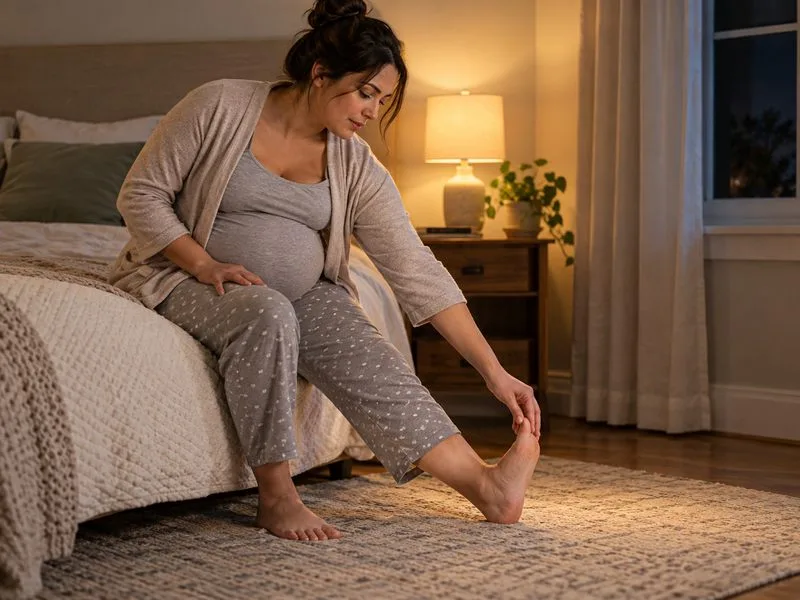
When you wear high heels for a long time, your calves will contract. This leads to cramping during pregnancy, making pregnant women painful, frustrating and irritable.


Backache

High heels will change your natural posture. The pelvis tends to flex forward, causing the spine to flex. The weight of your forward push will change your standing position and cause pain. The lower ligaments and lower legs become tense during pregnancy. Wearing high heels also increases pressure on the hips and spine, resulting in pain throughout the vertebrae, ligaments and hips.

Balance is difficult

The reduced endurance of the ankle due to the forward weight of the body weight when wearing high heels and hormonal changes inside the body will be:

Causes of poor balance;

The possibility of losing balance and stumbling is higher, thereby causing danger to the pregnant mother and fetus.

Muscle tension

Like the back and abdomen, the ligaments in the ankles and calves are dilated due to hormone changes during pregnancy as well:

Causes of foot muscle tension;

The reason the shoes that you were comfortable wearing before become tight and painful.

Swollen feet

A medical condition called swelling or swelling in the legs, ankles, and toes is very common in pregnant women.

Wearing high heels or heels will make swelling worse;

Wearing high heels in late pregnancy can also cause swollen toes;

Poor blood circulation, stagnant in the lower body, accompanied by painful swelling of the toe.

Miscarriage

Pregnant women wearing high heels are always at higher risk of miscarriage. The safety of the fetus is threatened by the mother's ability to trip or twist her leg at any time. Therefore, pregnant mother should not put yourself and your baby in such a dangerous situation. Pregnant mothers need to remember that nothing is as important as the health and safety of the mother and fetus.

Hopefully the above sharing will equip pregnant mothers to partly understand the harmful effects of high heels during pregnancy. Instead, moms should choose for themselves soft, airy soles shoes to ensure the safety of themselves and your baby!
 

Leave a Comment

Why Food Aversions Can Linger After Pregnancy Nausea Improves

Why Food Aversions Can Linger After Pregnancy Nausea Improves

Pregnancy food aversions may outlast nausea as smell, taste, and learned associations shift on different timelines. Try practical steps and learn when to call your clinician.

Why Can Pregnancy Nasal Congestion Continue for Months?

Why Can Pregnancy Nasal Congestion Continue for Months?

Pregnancy-related nasal swelling can last for weeks or months. Learn why it happens, how it differs from allergies or infection, what may help, and when to call your clinician.

Frequent Urination During Pregnancy: Stay Hydrated Without Constant Bathroom Trips

Frequent Urination During Pregnancy: Stay Hydrated Without Constant Bathroom Trips

Learn practical ways to manage frequent urination during pregnancy while staying hydrated, plus symptoms that need prompt medical attention.

How to Plan Work Breaks for Afternoon Pregnancy Fatigue

How to Plan Work Breaks for Afternoon Pregnancy Fatigue

Plan practical work breaks around afternoon pregnancy fatigue. Learn how to spot your pattern, adjust tasks, ask for support, and know when to call your care team.

Pregnant During Flu Season? Questions to Ask at Your Prenatal Visit

Pregnant During Flu Season? Questions to Ask at Your Prenatal Visit

A practical prenatal visit checklist for the 2026–27 flu season: ask about the flu shot, symptom plans, treatment, exposure, and urgent warning signs.

Vitamin B6: A new solution to reduce morning sickness symptoms

Vitamin B6: A new solution to reduce morning sickness symptoms

Discover how Vitamin B6 can effectively reduce morning sickness symptoms during pregnancy. Learn about dosage, safety, and natural remedies for a healthier pregnancy journey.

What should I eat during the 5th month of pregnancy to ensure nutrition for the baby?

What should I eat during the 5th month of pregnancy to ensure nutrition for the baby?

Discover the best foods to eat during the 5th month of pregnancy to ensure proper nutrition for your baby. Learn about essential nutrients, foods to avoid, and tips for a healthy pregnancy diet.

How does hypothyroidism affect fertility?

How does hypothyroidism affect fertility?

Discover how hypothyroidism affects fertility and learn about the latest solutions to manage thyroid health for better reproductive outcomes. Explore key insights and expert advice.

Getting pregnant is easier thanks to vitamin D supplementation

Getting pregnant is easier thanks to vitamin D supplementation

Discover how vitamin D supplementation can enhance fertility and make getting pregnant easier. Learn about the benefits of vitamin D for both men and women in improving reproductive health.

Learn about the uterus and changes during pregnancy

Learn about the uterus and changes during pregnancy

Discover the key changes the uterus undergoes during pregnancy, including size, structure, and function. Learn about fetal development, hormonal impacts, and common concerns.